Address
Manila, Philippines
Work Hours
Monday to Friday: 7AM - 7PM
Weekend: 10AM - 5PM
Address
Manila, Philippines
Work Hours
Monday to Friday: 7AM - 7PM
Weekend: 10AM - 5PM
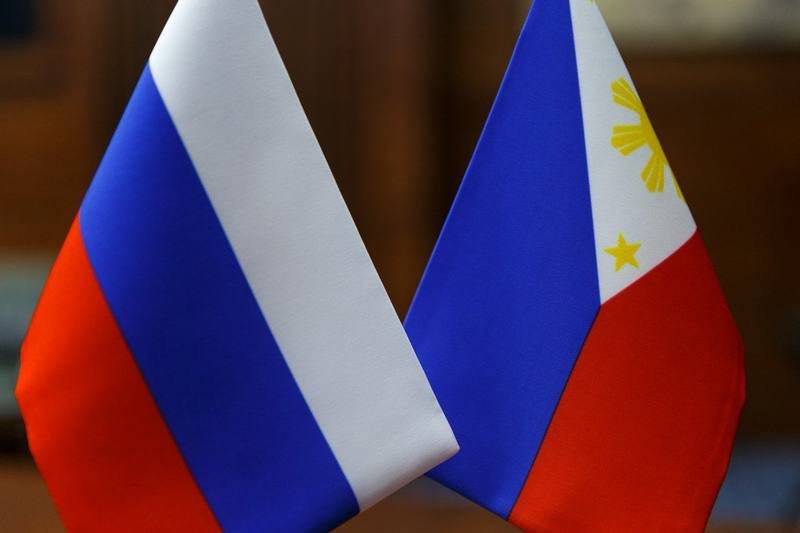
The Philippines is rapidly emerging as a strategic gateway to Southeast Asia for companies from the Eurasian Economic Union (EAEU), offering new opportunities for trade, investment, and cooperation across multiple sectors. This shift reflects the growing economic importance of Asia and the Philippines’ expanding role as a regional business hub.
Bilateral relations between the Philippines and EAEU member states — including Russia — are undergoing a transformation backed by enhanced legal frameworks, increased trade activity, and collaborative initiatives. These efforts aim to diversify trade, reduce market barriers, and strengthen long-term economic integration.
Key reforms under discussion include:
Several industries offer particularly strong potential for EAEU-Philippines collaboration:
1. Energy:
The Philippines is actively strengthening its energy infrastructure with a focus on renewable sources, energy storage, and cleaner technologies. There is rising interest in liquefied natural gas (LNG) supplies and advanced small modular reactor (SMR) solutions to bolster energy security in island regions.
2. Agriculture and Food Security:
With one of the world’s largest pork import markets, the Philippines presents significant demand for meat exporters. Expanded access for Russian agricultural products such as beef and grains could play a major role in improving local food security.
3. Pharmaceuticals:
Trade in medical products, including vaccines and therapies, has grown steadily. Efforts are underway to streamline standards and registration processes, potentially accelerating the entry of more innovative medicines into the Filipino market.
4. Digital Technology & Innovation:
A recent Memorandum of Understanding between Russia’s Skolkovo Foundation and the Philippines’ National Development Corporation sets the stage for deeper collaboration in tech and innovation. This includes digital services, fintech, cybersecurity, and smart city solutions — with projected joint ventures valued at up to $500 million over three years.
For companies aiming to establish a presence in the Philippines, local partnerships are key. Working with established distributors or integrators helps navigate regulatory requirements and access key sales channels. Building a local corporation, opening a branch, or registering a representative office are common options, and the country allows up to 100% foreign ownership in most industries.
Additionally, the Philippines offers special economic zones with tax incentives, faster licensing, and easier hiring processes — making them attractive for high-tech and export-focused companies.
2026 will mark 50 years of diplomatic relations between the Philippines and the Russian Federation, coinciding with the Philippines’ chairmanship of the ASEAN bloc. This milestone creates a favorable environment to deepen economic dialogue and strengthen cooperation across Asia.
In summary, the Philippines is positioning itself as a bridge between the EAEU and the wider Asian marketplace, offering a growing economy, strategic location, and increasing openness to foreign collaboration. For businesses ready to expand, this presents a compelling opportunity to tap into new markets and diversify regional engagement.
Source: https://eurasia.today/actual/filippiny-otkryvayut-biznesu-eaes-dveri-v-aziyu/